Tag: Diaspora

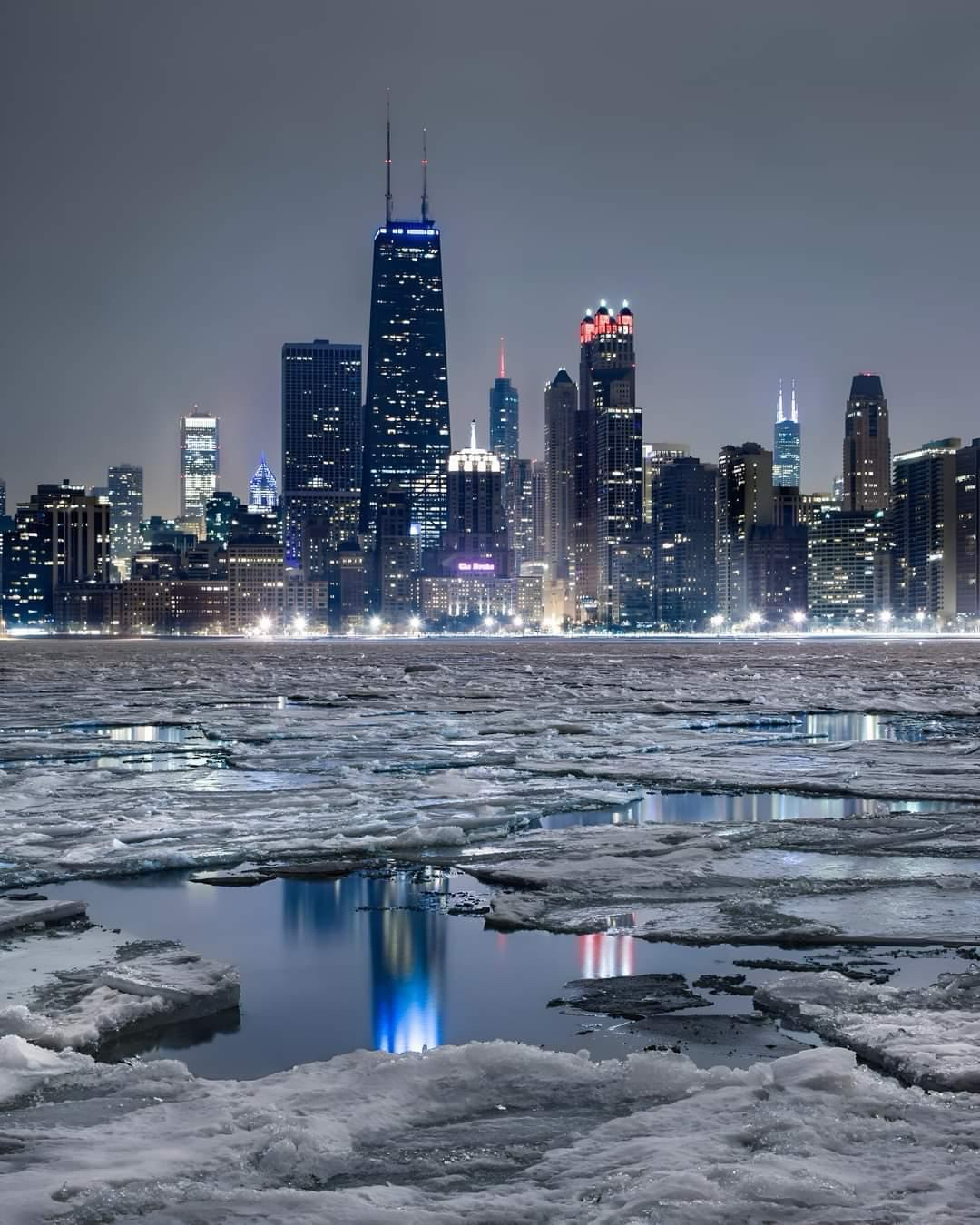
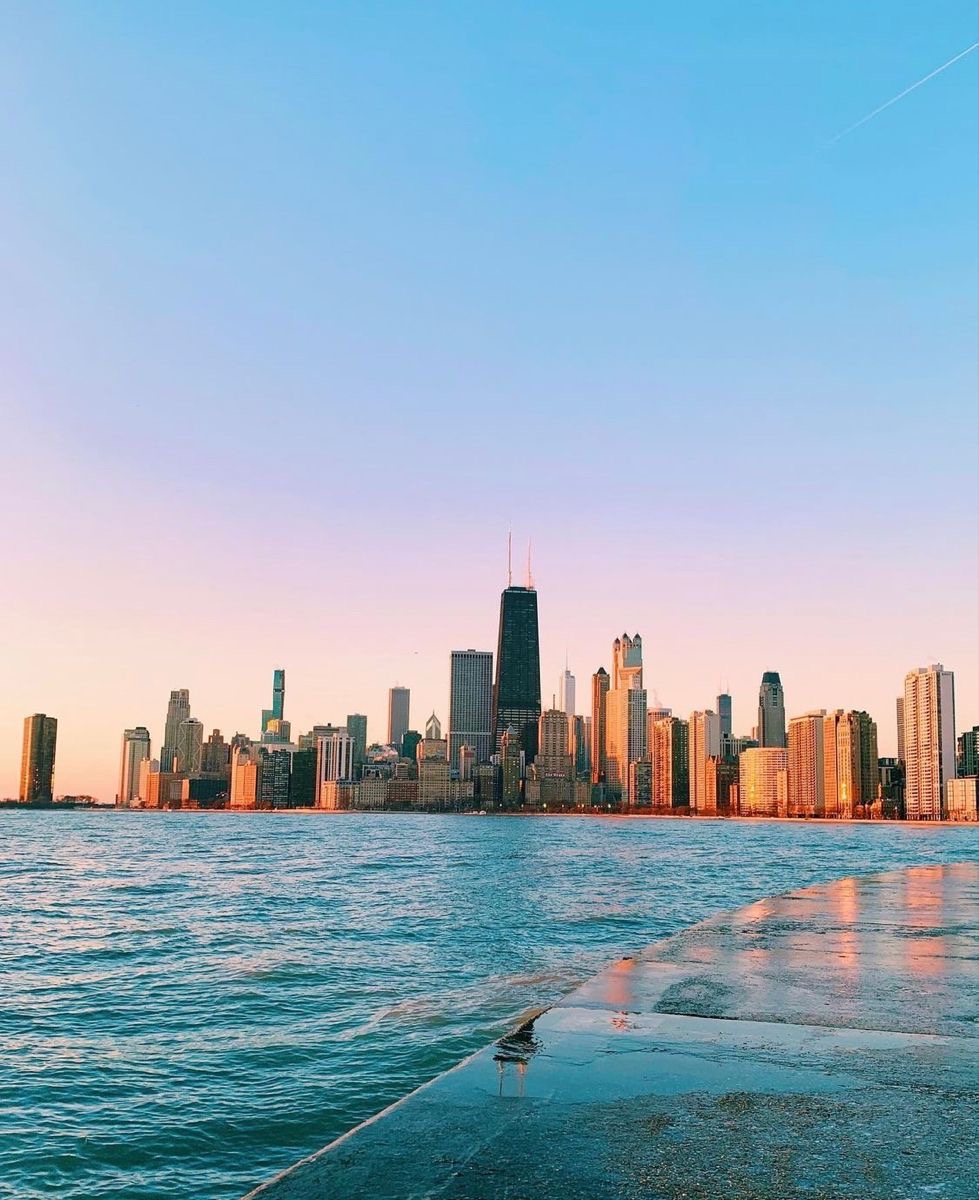
  • Warm Chicago.

    Warm Chicago.

    You survived the winter. Here’s your reward.

    Hay cosas que no puedes explicarle a alguien que nunca ha vivido en Chicago durante invierno. No el invierno de “ay, hace frío.” El invierno de seis meses de cielo gris. De ponerte capas o el parka para bajar a sacar la basura. De olvidar qué color tiene el cielo cuando no está cubierto de nubes que se sienten personales. De preguntarte — y esto es serio — si el sol existe todavía o si eso era un rumor.

    Y entonces llega. Sin avisar, casi. Un martes. Un sábado. Cualquier día que Chicago decide que ya, ya fue suficiente.

    78°F 🌞 Not a cloud en sight.

    Chicago cálida no es simplemente buen clima. Es un acto de justicia. Es el universo diciendo: okay, you made it through. Here, take this.

    Salgo a la calle y la gente — toda la gente — está diferente. Like genuinely altered. Los vecinos que en febrero no te miran están sonriendo. Hay alguien con speaker en el parque. Hay perros corriendo que claramente tampoco pueden creer que esto esté pasando. Los niños en las escaleras. Las abuelas con las sillas afuera. El señor del primer piso afuera con una Tecate y los ojos cerrados hacia el sol como si estuviera rezando. Y lo está. Todos lo estamos. Agradeciendo los rayitos de sol que duran hasta my bed time.

    Aquí en Chicago, el calor es colectivo. Es una experiencia compartida que nadie tiene que coordinar porque todo el mundo sabe. Todos sobrevivimos lo mismo. El frío fue igual de brutal para mi madre que vive en Pilsen y para el man que vive en los suburbios… Y ahora el sol es de todos por igual.

    ☀ ☀ ☀

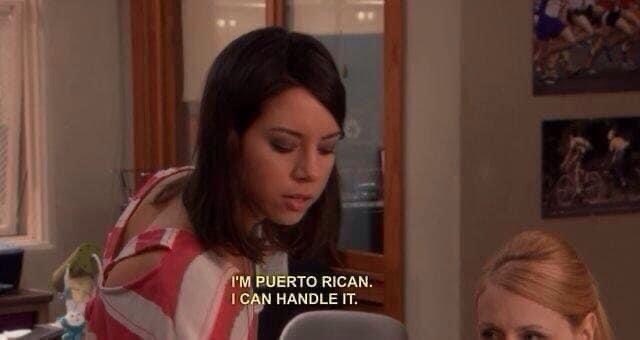
    Yo soy de Puerto Rico, o sea que técnicamente debería ser inmune a emocionarme con el clima. El sol donde crecí es una constante, no un evento. Pero almost 11 years living here and honestly — Warm Chicago me mueve más que cualquier verano boricua. Porque este sol me lo gané. Lo esperé. Sobreviví los meses en que el mundo se sentía INFELIZ.

    70° grados y empiezo a hacer planes que no voy a cumplir — ir al lago, explorar un barrio nuevo, leer afuera como si fuera una persona que lee afuera. Pero 78°— ahí está el número. 78°es la temperatura a la que Chicago se convierte en la ciudad que te convenció de quedarte. La ciudad que te prometió algo y finalmente lo entregó. 78° es la temperatura en la que pienso: okay. Okay, valió la pena.

    El invierno de Chicago no te mata — te convierte, te hace madurar. La primavera te devuelve, pero distinta. Con más paciencia. Con más gratitud por cosas que antes dabas por sentado. Como el sol. Como caminar sin sentir que tu cara va a quebrarse.

    Hoy caminé sin destino. Hice mis 10K steps antes de las 11am. Huge accomplishment if I may say. Eso es todo. No tenía errands, no tenía reuniones, no tenía nada. Solo caminé porque se podía. Porque después de meses de entrar y salir de lugares lo más rápido posible — porque el frío, porque el viento, porque el viento de Chicago que es un viento con carácter y opinión propia — hoy observe. Miré las casas. Miré los jardines que están empezando a despertar. Miré el cielo que era, te lo juro, ese azul que se siente pintado a mano.

    Y pensé: casi once años aquí. Inviernos, primaveras como esta. Y cada una se siente like the first time.

    Eso es lo que hace Chicago. No te deja acostumbrarte. No te deja ser indiferente. El invierno se asegura de eso — de que cuando llegue el calor, lo recibas con todo el cuerpo, con toda el alma, como si fuera un milagro.

    Porque lo es.

    🌞🌞☀

    Si eres de Chicago y estás leyendo esto: sal. Ahora. Para lo que estás haciendo. El email puede esperar. El laundry puede esperar. Sal y párate en el sol aunque sean cinco minutos. Cierra los ojos y respira profundo. Llegó el calor aunque hoy abril 6, este en 44 grados.

    Tú también te lo ganaste

    Graciasss por leerme 💘

    Génesis 🍒

  • Are You Patriotic?

    Are You Patriotic?

    I was a happy Puerto Rican — until I moved to Chicago. There, I became a proud, patriotic Puerto Rican.

    There’s a difference. A big one. And it took me leaving to understand it.


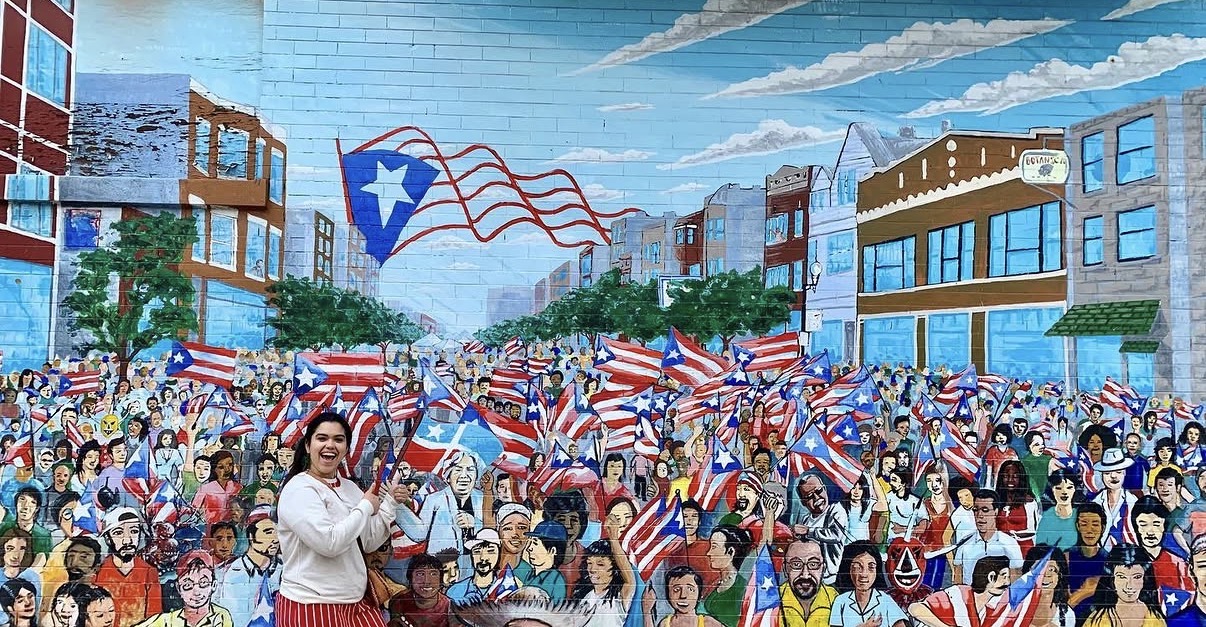
    Summer 2014. My second time visiting Chicago. I’m with my mom, tía, and tío; in Pilsen, a Mexican neighborhood on the southwest side. And there they are.

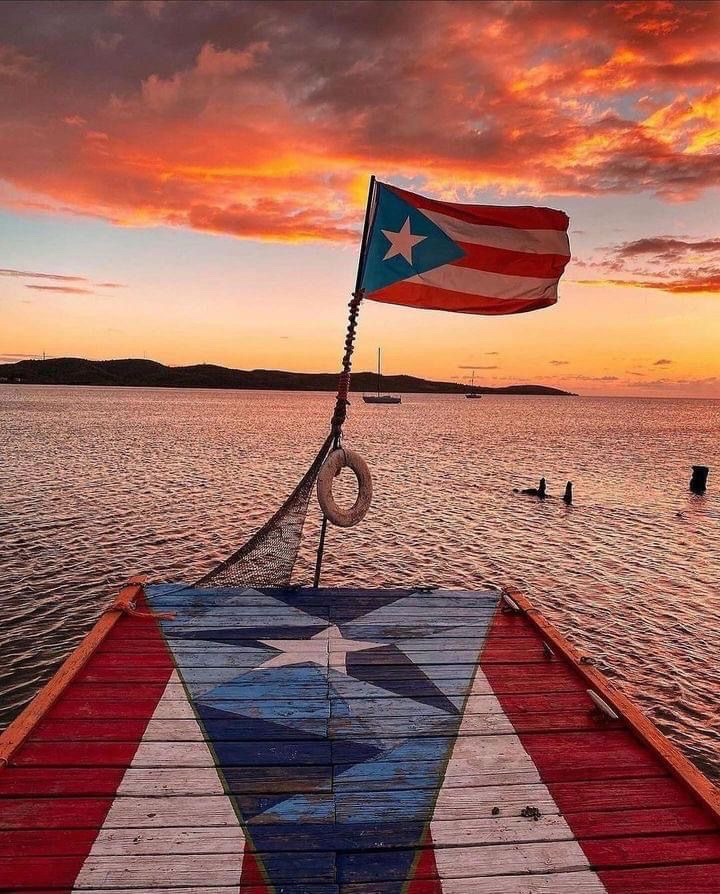
    Puerto Rican flags. Everywhere.

    My first thought, I swear, was just: “Que cool, banderas de PR, con el azul que es.”

    That was it. That was the whole reaction. Happy. Innocent. Not yet anything deeper than that. I just thought it was cool that someone put up our flag in this Mexican neighborhood. I noticed the blue — the specific blue, azul clarito, the original — and I smiled and kept walking.

    I had no idea what I was looking at.


    Growing up in Puerto Rico, I was lucky. My high school history teacher was J. Costa — and because of her, I knew more than most. She’s the reason I learned to be curious about history, to travel, to read critically, to question what’s not in the textbook. She taught me that Puerto Ricans were once prohibited from displaying their own flag. That it was illegal. That people went to prison for it.

    I knew it. I just didn’t feel it yet.

    That’s the thing about learning history in the place where it happened — it can still feel abstract. Distant. Like something that was, not something that is. Puerto Rico surrounded me so completely that I never had to think about what it meant to be Puerto Rican. It was just oxygen. You don’t think about oxygen until you’re somewhere that doesn’t have enough of it.


    After I moved to Chicago, I started doing what Janina taught me — asking questions, digging deeper. And I really learned. Not the clean version. La historia de Puerto Rico que no está en los libros de historia.

    The Gag Law. Law 53 of 1948. You could go to prison for owning a Puerto Rican flag. For singing a patriotic song. For speaking about independence in public. In your own country. Your own home.

    And suddenly those flags in Pilsen — in a Mexican neighborhood, thousands of miles from the island — made complete sense. That community wasn’t decorating. They were remembering. They were refusing. They were saying you tried to erase this and here it is, azul clarito, on every corner, and we’re not asking permission.

    I didn’t move to Chicago and find my identity. I moved to Chicago and finally understood what it cost.

    That’s when happy became proud. And proud is heavier. Proud has history in it. Proud means you know what you’re carrying.


    “La Patria es valor y sacrificio.” — Pedro Albizu Campos

    Don Pedro didn’t say the homeland is the place you were born. He didn’t say it’s the food or the music or the flag on your wall. He said it’s courage. It’s sacrifice. It’s something you choose, actively, even when — especially when — it costs you something.

    I understood that for the first time not in Puerto Rico. But on a street in a Mexican neighborhood in Chicago, on a summer afternoon, looking at a flag I’d seen my whole life and finally, truly seeing it.


    Now I live between two places and I don’t know where I belong — or if belonging is even the right word anymore. Chicago gave me my pride. Puerto Rico gave me my roots. And every few months I’m on a plane asking myself the same question I still don’t have an answer to:

    Where do I go?

    I don’t know. What I do know is that wherever I land, I’m Puerto Rican out loud. Not because it’s easy or automatic or ambient the way it used to be — but because I know now what it means. What it cost. What it’s worth.

    Azul clarito. Siempre. 🩵  

    Gracias por leerme 😽

    Génesis🍒

  • Why Did I Come Back to the Cold?

    Why Did I Come Back to the Cold?

    Or: What happens when you’re Puerto Rican, professional, and realizing you chose the hard mode


    I keep asking myself the same question lately: Why the hell did I come back to Chicago?

    It’s February. It’s cold. I’m wearing three layers just to go for a morning walk. And every morning I wake up to news that makes me want to throw my phone across the room and go back to sleep until 2028.

    Meanwhile, Puerto Rico is 82 degrees and sunny. My people are making coffee on the balcony, talking shit with the neighbors, figuring out how to make community work even when the government won’t.

    So yeah. Why did I come back to this?

    The Professional Calculus (Or: The Lie We Tell Ourselves)

    Here’s what I told myself when I return back dfrom xmas vacations: The opportunities are here. The clients are here. You built something in Chicago, you can’t just walk away from it.

    And that’s true. I did build something. Over a decade of consulting work, events that brought people together, programs that actually mattered. I created a career here as a Puerto Rican woman in spaces that weren’t designed for me. That counts for something.

    But let’s be honest about what’s happening right now.

    I’m watching organizations I worked with—organizations that claimed to care about “diversity” and “inclusion” and all those words they loved putting in their mission statements—suddenly go real quiet. DEI initiatives getting cut. “Budget constraints,” they say. “Shifting priorities.”

    Meanwhile, the new administration is making it very clear what they think about people who look like me, sound like me, come from where I come from.

    And I’m sitting here with my carefully crafted resume and my polished cover letters, trying to convince people to hire me while wondering if they’re even reading past my name.

    Génesis Rivera Candelaria.

    Yeah, that’s gonna be a “culture fit,” I’m sure.

    The Personal Reality (Or: I’m Scared and I’m Tired of Pretending I’m Not)

    I’m afraid.

    There. I said it.

    I’m afraid of what’s coming. I’m afraid of policies that treat my people like problems to be solved instead of human beings. I’m afraid of rhetoric that emboldens the worst people to say the quiet parts out loud. I’m afraid that everything I worked for—the credibility, the relationships, the reputation—can get erased because someone decided that people like me are suddenly “too political” just by existing.

    I’m afraid that I made the wrong choice coming back here.

    In Puerto Rico, shit’s hard. The government is a disaster. The infrastructure is falling apart. The debt crisis is real. But you know what we have? Each other.

    Porque si hay algo que distingue a los boricuas es que aunque no sabemos votar por políticos que sí quieren lo mejor para el país, nosotros los boricuas sabemos hacer comunidad. Sabemos estar ahí para nuestros vecinos. Sabemos que cuando el gobierno nos falla—y siempre nos falla—nos tenemos el uno al otro.

    We know how to show up.

    And I’m here in Chicago, in the cold, watching community get dismantled from the top down, and wondering if I should’ve just stayed where people understand that survival is a collective effort, not an individual achievement.

    The Cultural Truth (Or: What They Don’t Teach You About Being “Professional”)

    Here’s what they don’t tell you about being a Latina professional in the United States: you’re always translating.

    Not just language—though yeah, I do that too. I mean translating yourself. Your experience. Your value. Your worth.

    You learn to code-switch so seamlessly that sometimes you forget which version of yourself is the “real” one. You learn to make your accomplishments sound impressive without sounding “aggressive.” You learn to be warm but not “too emotional.” You learn to have opinions but not be “difficult.”

    You learn to be Puerto Rican enough to be “interesting” but not so Puerto Rican that you make people “uncomfortable.”

    And the exhausting part? You do all of this while watching the rules change in real time.

    Yesterday’s “we value diverse perspectives” is today’s “we’re refocusing on merit-based hiring” (as if we weren’t qualified). Yesterday’s “bring your whole self to work” is today’s “let’s keep politics out of the workplace” (as if our existence isn’t political to them).

    It’s whiplash. And it’s by design.

    The Question I Can’t Answer (Or: What Do We Do Now?)

    So what do I do with all this?

    Do I keep applying to jobs that might not want me? Do I keep pitching to clients who might ghost me? Do I keep building in a country that’s actively hostile to people like me?

    Or do I go back to Puerto Rico, accept that the money won’t be the same, the opportunities won’t be the same, but at least I won’t be cold and I won’t be alone?

    I don’t have the answer yet.

    What I do know is this: I’m tired of pretending that “professionalism” means swallowing my reality. I’m tired of performing gratitude for spaces that were never designed to include me in the first place. I’m tired of watching my community get scapegoated while I’m supposed to smile and network and “add value.”

    And I know I’m not the only one feeling this way.

    The Thing About Community (Or: Why I’m Writing This)

    I’m writing this because I know there are other people out there—other Latinx professionals, other immigrants, other people with names that don’t fit neatly on corporate org charts—who are asking themselves the same questions right now.

    Why did I come here?
    Why did I stay?
    What was it all for?

    And I want you to know: I don’t have answers, but you’re not alone in asking.

    We’re all trying to figure out how to survive this. How to keep our dignity while keeping our rent paid. How to stay true to who we are while navigating systems that want us to be smaller, quieter, more grateful.

    Maybe the answer isn’t in Chicago or Puerto Rico. Maybe it’s in remembering what we already know how to do: make community. Show up for each other. Build the tables we want to sit at instead of waiting for invitations that might never come.

    Because if there’s one thing I learned from being Puerto Rican, it’s that we don’t wait for systems to save us. We save each other.

    Even when it’s cold.
    Even when we’re scared.
    Even when we don’t know if we made the right choice.

    We show up anyway.


    So here I am. Still in Chicago. Still cold. Still afraid. Still showing up.

    Let’s see what happens next.

    Graciasss por leerme.

    Besitos 

    Génesis 


    Génesis Rivera Candelaria is a freelance logistics and program operations consultant who spends too much time wondering if she should’ve stayed in Puerto Rico and not enough time actually booking a flight back. She’s currently accepting consulting opportunities, existential advice, and recommendations for good coffee that might make the Midwest winter bearable. Reach her at grcandela@gmail.com.
  • Get to Know Me: The Unfiltered Version

    Get to Know Me: The Unfiltered Version

    Look, I could give you the polished LinkedIn version of who I am, but that’s boring as fuck. So here’s the real tea about Génesis Michelle Rivera Candelaria– the person behind the events, the hustle, and the carefully curated Instagram grid.

    The Professional Fuck-Up That Changed Everything

    My biggest professional mistake? Launching the first Sobremesa Chicago event in Puerto Rico – after years of successful events in Chicago – thinking my friends would show up and spread the word. Spoiler alert: they didn’t. The event flopped hard. Nobody came.

    What I learned: Your friends and acquaintances aren’t always your first fans. Sometimes strangers become your most fierce supporters before the people closest to you even pay attention. That’s just how it is.

    The Cultural Contradictions

    What pisses me off: When I say I’m from Puerto Rico and people respond with “ahhh pueLto lico” in that fake accent. We don’t talk like that, fuckers.

    What secretly applies to me: Speaking Spanglish constantly. Can’t help it, won’t apologize for it.

    What I miss from Chicago when I’m in PR: The weather (that perfect 50-75 degrees WITH sun), the food scene, walking everywhere, and that magnificent public transportation system.

    What I miss from PR when I’m in Chicago: The people, the language, the beach, my friends, my family. Todo.

    The Random Shit You Didn’t Ask For

    I talk to myself. All the time. And whenever I can, when I buy food for myself, I try to get something extra to give to someone on the street who needs it.

    My guilty pleasure? El Señor de los Cielos. I’ve watched it so many times I can tell you what season any random episode is from. Aurelio and Rutila Casillas are my people.

    Current rotation: Salsa, Gustavo Cerati, and Bad Bunny. That’s the vibe.

    My one useless talent: Knowing random facts about… everything? I think that’s it.

    Hot Takes That’ll Make Me Enemies

    On the events industry:

    ∙ Low salaries for everything we actually do

    ∙ This myth that you need connections to grow (it helps, but it’s not everything)

    ∙ The “go go go” culture and the refusal to let people rest

    Job posting red flags that make me close the tab immediately:

    ∙ “We’re like a family” (translation: we’ll guilt you into unpaid overtime)

    ∙ No salary listed

    ∙ Any indication they don’t believe in work/life balance

    What Actually Matters

    Here’s something that doesn’t come up in normal conversations or on LinkedIn: I care so much about people. Like, deeply.

    My dream? Having a nonprofit to feed kids and help pass laws ensuring school meals are nutritionally good. A kid shouldn’t spend all day thinking about not having food at home, worrying that their only meal is what they get at school. They should have nutritious breakfast and lunch. It shouldn’t be like this.

    The Future I’m Manifesting

    Picture this: I’m in Puerto Rico, looking out at the beach with mountains in the background. It’s morning – soft, slow. I’m reading emails with my second coffee of the day, planning out what’s most important versus what’s least urgent.

    I’m running a global food business from the island, operating para el mundo. I’m alone in that moment, but backed by a battalion of mentors and entrepreneurs who came before me.

    The version of myself I’m most afraid of becoming? Not this one. The opposite of this one.

    My Event Philosophy

    Keep people happy, respect the budget, and don’t let them see you sweat.

    It sounds simple, but it’s everything. The organization, being clear from the beginning, getting the right people for the event’s objectives – that’s what I learned from 7+ years and 50+ events. From intimate dinners to programs with 1,000+ attendees.

    Advice to Past Me

    To the Génesis from 9 years ago who was just starting with events: Try to absorb everything you can about advertising, logistics, vendors, all of it. Try all the trends. And for fuck’s sake, ask for help.

    The Essentials

    Comfort food/celebration food/hangover food: Pizza. Tavern style for sure. Never deep dish (sorrry chicago🙃)

    Most overrated fancy food: Caviar. Fight me.

    If I could only eat at one Chicago restaurant forever: Lula Cafe.

    Death row meal: Arroz blanco con picadillo, aguacate, and ají amarillo hot sauce.

    Downtime activity that looks productive but isn’t: Writing. It’s how I disconnect.

    Last book I read: Re-reading El Libro de los Abrazos by Eduardo Galeano.

    The Bottom Line

    I’m a bilingual logistics and events consultant who’s done everything from managing national conferences to coordinating crisis response during a pandemic. I’ve built event operations from scratch, scaled underground dinners into cultural movements, and somehow always made it look easy (even when it absolutely wasn’t).

    I’m currently freelancing, job searching, and building something bigger than myself. I operate between two worlds – Chicago and Puerto Rico – and I wouldn’t have it any other way.

    The question people ask me most in networking that I’m tired of? I don’t even know anymore. But whatever it is, I’ll still answer it with a smile because that’s the job.

    That’s me. No filter, no bullshit. Just Génesis. Graciass por leerme.

    Besitos 😘

    G

  • Puerto Rico: American, But Only When It’s Convenient

    Puerto Rico: American, But Only When It’s Convenient

    Puerto Ricans Aren’t Immigrants, But We’re Still Second-Class Citizens

    Puerto Ricans aren’t immigrants—but the U.S. sure acts like we are. No presidential votes, no representation, yet we still get taxed, drafted, and expected to send billions back home. We’re American enough to serve but never enough to matter.

    I moved to the mainland, and suddenly, I wasn’t just Puerto Rican—I was an “other.” A tropical outsider. A bilingual overachiever with a permanent side hustle. I had the passport, but not the privilege.

    Second-Class Citizens Since Day One

    Puerto Ricans have been and will always be second-class citizens in the eyes of the U.S. We’re only useful for three things:

    1. Dying in their wars – The U.S. won’t let us vote for president, but we’re always first in line for the draft. Thanks, I guess?
    2. Tourism – As Bad Bunny said, “PR, archipiélago perfecto.” Our beaches are pristine, our piña coladas are cold, and as long as we’re just serving drinks and entertaining tourists, we’re tolerated. Just don’t ask for statehood, independence, or basic respect.
    3. Puerto Rico sending billions to the U.S. is the real perreo intenso—we do all the work, and they collect the check. We make the music, they take the Grammys. We build the economy, they reap the profits. Bad Bunny sells out stadiums, and the IRS still gets paid first. Ain’t that a remix?

    Welcome to the United States (Kinda, But Not Really)

    Being from Puerto Rico in the U.S. is like being part of an exclusive club with zero benefits. No voting rights in presidential elections, no representation in Congress, but don’t worry—we can still get taxed and ignored when natural disasters hit.

    We’re born into a paradox: we’re “Americans” when it’s convenient (hello, military recruitment and corporate tax loopholes), but “foreign” when it comes to resources, respect, and, let’s be honest, how people react to our names. Génesis? Too complicated. Just call me “Jennifer” and move on, I guess.

    The Job Market: Overqualified and Underestimated

    The moment you tell someone you’re from Puerto Rico, you can see their brain buffering. Do I need a visa to talk to you? Did you swim here? No, Chad, I took a Spirit Airlines flight with a 7-hour delay.

    Workplaces love a good “diverse hire” until it means hiring someone who actually knows two languages and how to make arroz con gandules without burning the kitchen down. But sure, let’s hire the guy who spent a semester in Barcelona and now claims he’s “basically fluent” in Spanish.

    The Inevitable Assimilation (Or, At Least, Pretending To)

    Sooner or later, you start code-switching like a pro. Your Spanish gets quieter in certain rooms, your accent fades just enough, and you learn to laugh when someone butchers coquito like it’s a Harry Potter spell.

    You start craving things you never thought you’d miss—gas station empanadillas, reggaetón blasting at 3 AM, and the complete and total lack of personal space at a Puerto Rican family gathering.

    But here’s the thing: no matter how much we adjust, adapt, or play along, we’ll always carry Puerto Rico with us—whether it’s in our Spanglish, our Spotify playlists, or our refusal to accept any coffee that isn’t café con leche bien hecho.

    So, am I an immigrant? Not on paper. But in every TSA line, job interview, and awkward “But where are you really from?” conversation—yeah, it sure feels like it.

    Now excuse me while I go correct someone on how to pronounce bacalaítos.

    Graciass por leerme,

    Génesis

  • Nunca Soltamos la Bandera: Reflexiones Desde “Debí Tomar Más Fotos”

    Nunca Soltamos la Bandera: Reflexiones Desde “Debí Tomar Más Fotos”

    2024 fue mi año para volver a las letras; 2025 será para capturar todo, una foto a la vez.


    Gracias a Bad Bunny por recordármelo con su nuevo álbum, Debí Tomar Más Fotos. Este disco no es solo música, es una oda a Puerto Rico. Y, tengo que decirlo, es mi disco preferido de Benito hasta ahora. By far. Benito ha logrado encapsular nuestra historia, nuestro dolor y nuestro orgullo en 17 canciones que podrían ser la banda sonora de nuestra identidad colectiva.


    La primera canción, “Nuevayol”, me rompió el corazón. Es el soundtrack para todo aquel que ha dejado Puerto Rico buscando algo mejor, pero que siempre lleva el peso de su bandera a donde va. Es una carta llena de amor, pero también de dolor, porque a veces la distancia duele más que los sacrificios. Benito nos recuerda que la diáspora puede ser fría, pero nunca deja de ser boricua.

    Y luego está “Lo Que Le Pasó a Hawaii”, una de las canciones más potentes del álbum. Aquí, Bad Bunny se adentra en la gentrificación y el desplazamiento en Puerto Rico, comparando nuestra realidad con la historia de Hawai’i. Cuando canta: “No sueltes la bandera ni olvides el lelolai, que no quiero que hagan contigo lo que le pasó a Hawai”, es imposible no sentir el peso de esas palabras. Es un grito de resistencia, un recordatorio de que somos más que playas y postales bonitas: somos cultura, historia, y lucha.

    Este álbum, en su esencia, es un trabajo de equipo, y no puedo dejar de pensar que los músicos que trabajaron junto a Bad Bunny en este proyecto son la Fania de nuestra generación. La forma en que mezclan géneros, experimentan con ritmos y le dan vida a cada nota me hace creer que estamos viviendo un renacimiento musical. Esto no es solo reguetón; es plena, salsa, jazz y hasta rock puertorriqueño en su máxima expresión.

    Después vino “Pitorro de Coco.” Es pura Navidad boricua, pero con esa melancolía que viene cuando la fiesta acaba y te quedas mirando las luces navideñas pensando en todo lo que se ha perdido.

    Por último, llegamos a “Debí Tomar Más Fotos.” Si no lloraste escuchándola, no tienes corazón. La canción no solo habla de las fotos que no tomaste, sino de las memorias que dejamos pasar por alto. Me hizo prometerme algo: voy a tomar más fotos, no por el feed de Insta, sino por mí. Porque no quiero mirar atrás y sentir que dejé pasar momentos que eran más importantes de lo que parecían en su momento.

    Debí Tomar Más Fotos no es solo un álbum; es un recordatorio de lo que somos, lo que hemos perdido y lo que podemos salvar. Benito y su equipo han capturado la esencia de Puerto Rico y nos han dejado con la tarea de nunca olvidar quiénes somos.

    Y sí, repito: es mi disco favorito de Benito. By far. Así que, ¿ya lo escuchaste? Porque este no es solo un álbum; es historia en tiempo real.

    Graciass por leerme,

    Génesis

  • A Tale of Two Elections: The Diaspora’s Double Dose of Stress

    A Tale of Two Elections: The Diaspora’s Double Dose of Stress

    Navigating the madness of election season as a Puerto Rican in the diaspora—two ballots, double the stress, and an extra shot of existential dread.

    Election season. For most people, it’s a time to choose the lesser of two evils, scroll past political ads, and maybe (if they’re lucky) get a day off work. But for Puerto Ricans in the diaspora? Oh, we get double the anxiety! It’s like life handed us an extra homework assignment with a wink and a “good luck.” Not that we asked for it.

    See, while everyone in the U.S. is stressing about who’s going to sit in the Oval Office next, we’re over here juggling TWO elections. Yup, two. One in la isla, where we have to figure out which local politician might actually care about fixing the roads (and maybe keeping the lights on), and one in the U.S., where our vote is supposed to count—but you know, kinda feels like a participation trophy.

    My U.S. friends look at me like I’m crazy when I say I’m stressing about two elections. “Wait, you actually care about the Puerto Rican elections too?” they ask, genuinely baffled. Yes, Karen, I do. Because even though I live here, I’m directly affected by what happens back home. News flash: it’s not like my family magically becomes unaffected by power outages or political mess-ups just because I crossed an ocean.

    Here’s the kicker though. No matter how much I worry, rally, or complain on Twitter, the Puerto Rican government still won’t have my back in Chicago, and the U.S. government won’t really “get it” when it comes to the island’s struggles. It’s like playing a game where the rules keep changing, and you don’t even know if you’re a player or just an extra.

    But hey, at least I get two chances to make a difference, right? Or maybe just two chances to scream into the void. Either way, I’m in it, fully caffeinated and ready for this wild, double-decker ride.

    Reflection: How do you handle life when you’re forced to juggle loyalties between two places that define who you are?

    Besiss 😘

    Génesis 💚💛